
In May of 2013, as Microsoft prepared to launch its new XBox console, they announced plans to tie all copies of an XBox game, both physical and digital, to a license that had to be authorized and deauthorized from your console via an online check that had to occur once a day. The outcry from the gaming community at the time was so loud and visceral that Microsoft quickly backpedaled on these plans. The damage was done, however; the first impression had been made, and for years afterwards, consumers continued to think that the XBox had some draconian DRM controls that limited their ability to share games with friends. Sony gleefully capitalized on this situation at E3 that year by mocking Microsoft with a short video demonstrating how easy it was to share a game on their new Playstation 4 system.
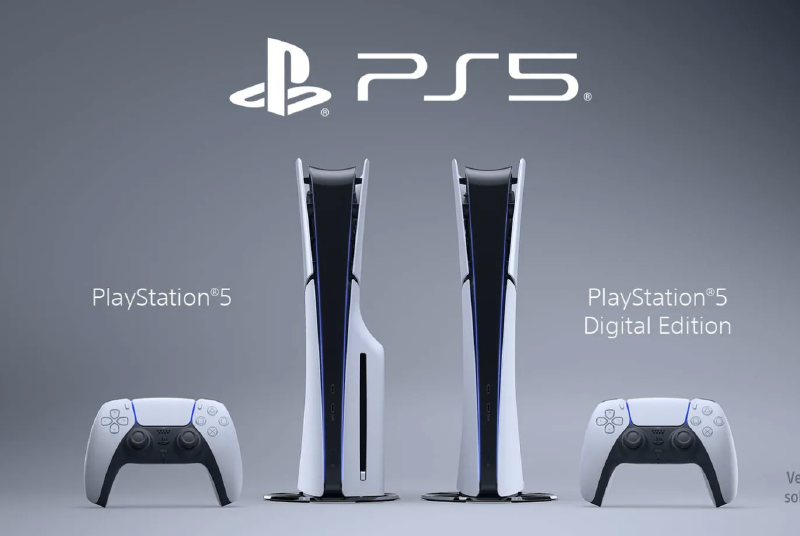
Fast forward to today, where Sony announced that they will be ending production of physical game discs for Playstation systems in 2028. That includes the current PlayStation 5 as well as the 13 year old PlayStation 4 (that many people still use) as well as the yet-to-be-officially-confirmed PlayStation 6 that is surely on the way. This is after they launchd an optional discless variant of the PlayStation 5 in 2020 for $100 less than the disc version, and made removable disc drives available for usage with the slim revision of the PlayStation 5 and the PlayStation 5 Pro.
What is a Console? #
2013 was also the year where video game consoles became much more similar to PCs than ever before. Before that, game consoles were usually designed around some sort of bespoke, custom architecture developed in close collaboration with some major technology firm like IBM or Toshiba. Systems rarely shared the same architecture, so each console felt like a platform to itself with its own set of exclusive games. Third party developers would make the same game available on multiple consoles, providing a consistent experience to all players.
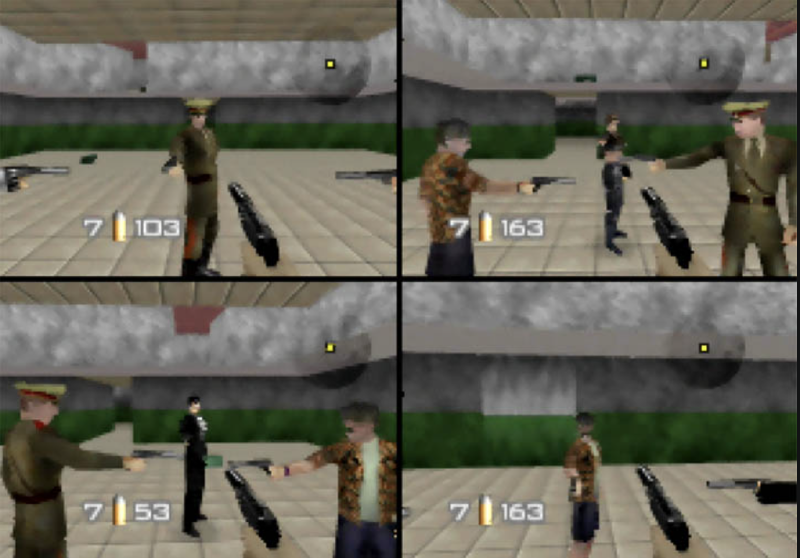
Consoles had a number of advantages at this point. You just popped in your game cartridge or disc, hit the power button, and started playing -no installation, no messing with graphics settings. You could swap games with friends. You could rent games from your local video rental store. Many games were designed for multiple players to play at the same time on the same television screen, a practice that became a ritual for many teenagers in the 1990s and 2000s with GoldenEye on the N64 and Halo on the XBox.
But in 2013, this all started to change. Both the PlayStation 4 and XBox One used a custom designed APU built in collaboration with AMD that used the same x86 architecture seen in most modern desktop and laptop computers. Because of their slower Blu-Ray drives, these consoles required every game to be installed fully onto their hard disk drives so that assets could be streamed fast enough to accommodate gameplay. Online play became the standard form of multiplayer over local. And many games began offering different presets for graphics (typically in the form of “fidelity” and “performance” modes) for players to experiment with in order to fit their preferences.
Suddenly, consoles felt a lot like PCs. The one advantage they continued to have was that you could walk into a retail store and buy a physical copy of a game that you could later lend to a friend or resell to recoup some of your initial investment.
The Inevitability of this Moment #
Most people suspected that one of the major three console makers (Sony, Nintendo, and Microsoft) would try this again after the ill fated XBox One reveal. But I don’t think most people thought it would be Sony that went first. In some ways, however, we all should have known it would be them given the events of the last 6-12 months. Why? Well, for starters:
- The AI datacenter buildout has driven the price of computer components through the roof, forcing Sony to raise prices on its six year old PlayStation 5 console not once, but twice. If they are going to continue subsidizing hardware into the PlayStation 6 generation, they need to make that money up somewhere else - and forcing more sales to go through their digital marketplace allows them to capture more margin and eliminates used game sales.
- Sony’s biggest competitor in the gaming space, Microsoft, cannot go more than week without stepping on a rake or pivoting in a new direction. They are apparently about to close multiple studios and lay off thousands of people, and just had to raise prices on their own underperforming console. They own a lot of major properties but cannot make the XBox division profitable.
- Digital games increase the lock-in effect on a platform, making it more likely that gamers will stick with the PlayStation brand through more waves of price increases on their hardware, game prices, subscription services, and accessories.
- Sony has already announced they are pulling their single player games off PC and doubling down on exclusives for their consoles. The potential sales numbers for those games will now be solely PlayStation players, and so every dollar of every sale needs to be captured by Sony to justify their development costs.
An Escape Hatch #
Last week, I wrote about the surprising cost of the Steam Machine and how while it seemed high at the moment, that it might start to look like a better deal if the industry’s outlook continues to deteriorate. Today, I think the upfront cost is more palatable to align yourself with a future where your gaming hardware allows you to install games from different digital storefronts, emulate games, and do whatever else you want on it. A PlayStation can only ever be a PlayStation, even if they raise the prices of games and services so high that it effectively prices you out of enjoying content on the machine you own. A computer, at its worst, will allow you to take your money elsewhere when the water in the pot starts to boil.
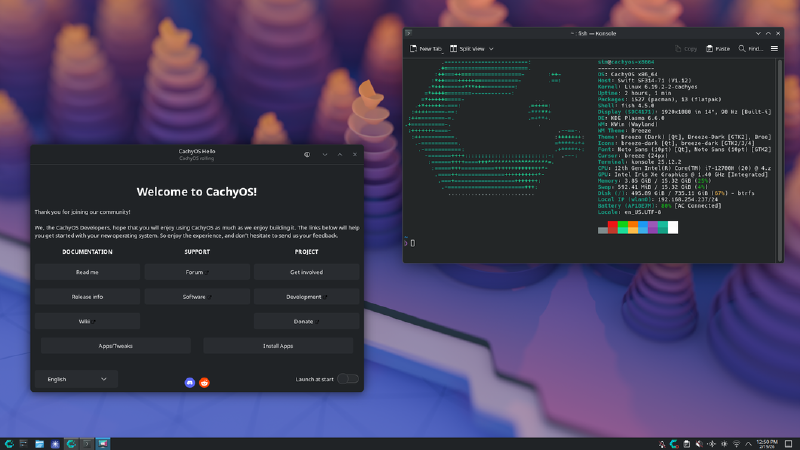
For similar reasons, I moved my desktop computer from Windows 11 to Linux for the first time this year. Not only does CachyOS feel much snappier than Windows 11, but it gives me a level of freedom over my hardware I did not previously have. No longer do I have to beg OneDrive not to bother me or uninstall Copilot or other unwanted apps and features. I can add on or rip out any piece of that machine that I want. The downsides (the lack of support for anticheat that some multiplayer games require) don’t matter to me as much as regaining control of my computing platform does. I think over the next few years, we’ll see more people, and especially now gamers, wake up to this reality as well.